
Color can have a greater impact on well-being than most people realize. According to research, in the right conditions, red may increase alertness, blue can lower stress, and green can even lead to a calmer heart rate. Chromotherapy is the practice that puts these benefits to work, using color psychology to influence mood, energy, and relaxation in different ways.
Sauna chromotherapy takes this practice to the next level by adding color-changing LED lights to your sauna sessions. This allows you to enjoy the advantages of color therapy and detoxifying sweats in one deeply rejuvenating practice. Whether you want to unwind after a workout, sharpen your focus in the morning, or destress after a long day, sauna chromotherapy can deliver powerful results.
In this guide, we explain how sauna chromotherapy works, how it compares to red light and infrared therapy, and what each color may offer your wellness routine.
Jump Ahead:
How Does Sauna Chromotherapy Work?
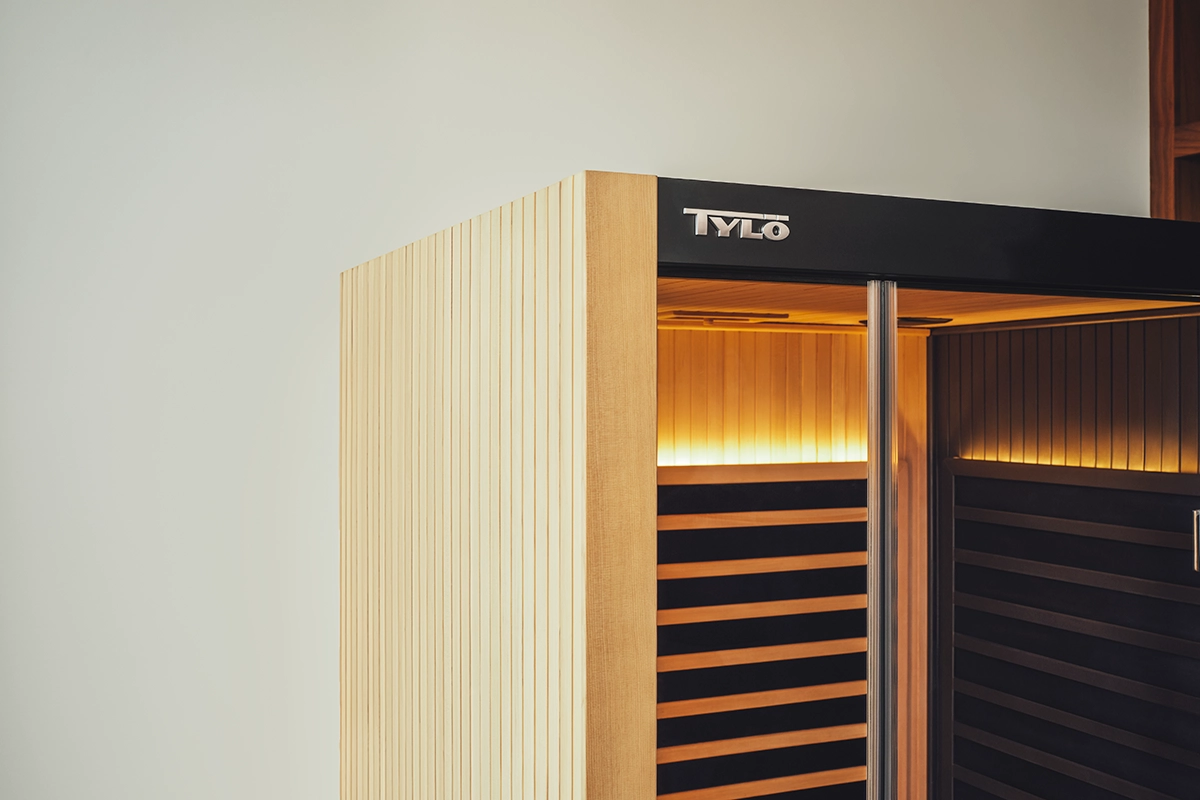
Sauna chromotherapy combines light and color psychology to influence your mood and energy during sauna sessions. While your body works up a deep, therapeutic sweat, the lights add another layer of potential wellness benefits.
Every Tylö sauna comes with a built-in, fully waterproof chromotherapy lighting system. The lights use RGBW-LED bulbs, which have an extra white diode to soften each color and help you relax. You can easily switch between colors using the control panel or the Tylö app on your phone.
Tylö saunas offer 6 different chromotherapy colors, including:
While chromotherapy can involve red light, it works differently from other sauna practices like red light therapy and infrared therapy. However, combining all three in one session can deliver powerful benefits.
Chromotherapy vs. Red Light vs. Infrared Light
Chromotherapy, red light therapy, and infrared therapy all use color and light to enhance your sauna sessions. However, they are distinct practices with unique benefits. To understand how they work together, it helps to start with how they differ.
Below, we compare all three:
| CHROMOTHERAPY | RED LIGHT THERAPY | INFRARED (IR) THERAPY | |
|---|---|---|---|
| Mechanism | Color psychology | Red light | Near-infrared (NIR) light |
| Definition | Chromotherapy uses built-in sauna lights and color psychology to enhance mood, relaxation, and ambiance. | Red light therapy uses a specific wavelength of visible red light to penetrate the skin, promoting collagen growth and reducing fine lines and wrinkles.1 | IR therapy uses a strong wavelength of invisible near-infrared (NIR) light to penetrate deep into muscles, joints, and connective tissue, boosting circulation and promoting cellular repair.1 |
| Wavelengths (Nanometers) | 400–700 nm | 620–700 nm | 760–1,400 nm |
| Goal | Enhance mood and ambiance | Improve skin health | Promote whole-body healing |
| Tissue Reach | Surface level | Penetrates skin | Travels deeper into muscles, joints, and connective tissue |
| Light Visibility | Visible | Visible | Invisible |
Combining chromotherapy with red light therapy and infrared therapy can have powerful wellness benefits. While IR panels heat your body and trigger a deep, detoxifying sweat, red light wavelengths can improve skin health and appearance. At the same time, the color red itself can raise attention and alertness, helping you feel more energized, focused, and refreshed.2
However, red isn’t the only chromotherapy color that you can use in a sauna. There are many options to choose from, each one offering unique advantages.
Sauna Chromotherapy Color Guide
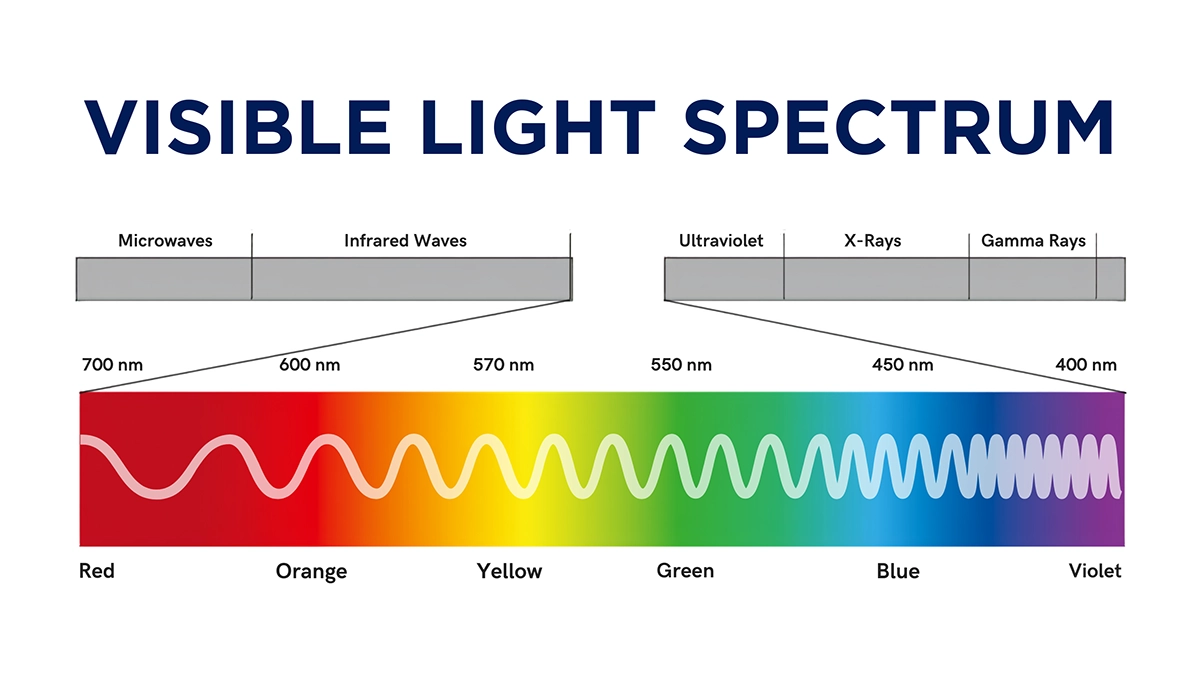
Each color in the Tylö sauna chromotherapy system can trigger a different psychological response in the brain. Below, we take a closer look at these effects and the potential wellness benefits they may offer:
Red Chromotherapy

In color psychology, red is associated with energy, passion, and excitement. One study found that it is highly effective for capturing attention, raising alertness, and improving motor responses.2
This can help you feel more energized and perform some tasks more effectively after your sauna session, such as writing or drawing, typing on a keyboard, and other motor movements.
Orange Chromotherapy

Orange is associated with warmth, positivity, and enthusiasm. Multiple studies have found that many people commonly associate orange with happiness.3 Other research found that warm-toned lights can lower negative feelings, increase comfort, support creative thinking, and boost cognitive performance.4
Together, these effects make orange or amber chromotherapy lights a powerful way to uplift your mood and adaptability.
Yellow Chromotherapy

Studies show that yellow triggers positive, high-energy emotions like joy, optimism, enthusiasm, and excitement.5 Saunas by themselves are also known to improve your mood, even reducing symptoms of anxiety and depression.6
Over time, combining sauna sessions with yellow chromotherapy can contribute to a more positive mood overall. This mindset is linked to lower blood pressure, balanced blood sugar levels, and improved heart health.7
Green Chromotherapy

Green is associated with relaxation, comfort, serenity, and contentment.5 When used in sauna chromotherapy, this color can have a calming effect on the mind that may have physical benefits as well.
In fact, one study found that a green environment can significantly reduce your heart rate compared to other colors.8 A slower heart rate shifts your nervous system into a restful state, lowering blood pressure, decreasing stress hormones, and supporting whole-body relaxation.
Blue Chromotherapy

Blue chromotherapy lights can instill feelings of calmness, trust, and stability. One study found that when used in color therapy specifically, blue significantly reduced anxiety and stress levels.9
This can enhance the calming effect that saunas already have on your mind and body, allowing you to de-stress, relieve tension, and feel more relaxed after every session.
Purple Chromotherapy

Purple is associated with serenity, creativity, and imagination. It may also trigger empowering emotions like joy and pride.5 Purple chromotherapy lights can turn your sauna sessions into a relaxing atmosphere to reflect and think imaginatively or even try your hand at meditation.
This can lead to a calmer, more innovative mindset at the end of your sweat.
Benefits of Sauna Chromotherapy

Combined with the warmth of a sauna, chromotherapy offers many potential wellness benefits, such as:
- Improved Circulation: Sauna heat increases blood flow, while calming colors like green or blue can help lower stress and promote a restful state that supports healthy circulation.
- Positive Mood: Colors like orange and yellow can promote happiness, optimism, and positivity that contribute to improved health outcomes.
- Reduced Stress and Anxiety: Some shades like blue and green are calming and relaxing, helping reduce feelings of stress and anxiety when used in color therapy.
- Mental Clarity and Focus: Colors like red and purple can promote alertness, attention, reflection, and focus that can help you think more clearly.
- Cognitive Performance: Certain colors like purple and orange can encourage creative thinking, imagination, and cognitive performance that can help your mind stay sharper throughout the day.
With regular use and sauna integration, chromotherapy can be a powerful addition to your wellness routine.
Add Sauna Chromotherapy to Your Wellness Routine
Sauna chromotherapy combines color psychology, LED lights, and the relaxing environment of a sauna to improve mood, support focus, and help you feel more energized. Each color has a unique set of potential wellness advantages to offer, and you can get started right at home.
At Creative Energy, we’re proud to be one of the leading sauna retailers in the Bay Area. We offer a wide range of traditional, infrared, and hybrid Tylö saunas, and our experts are eager to match you with an option that fits your lifestyle and budget. Contact us online or stop by one of our award-winning showrooms to connect with a team member today.
Disclaimer: This article is for informative purposes only and should never replace the advice of a qualified medical professional. Always consult with your healthcare provider before starting any new wellness treatment.